

Smoke Alarms
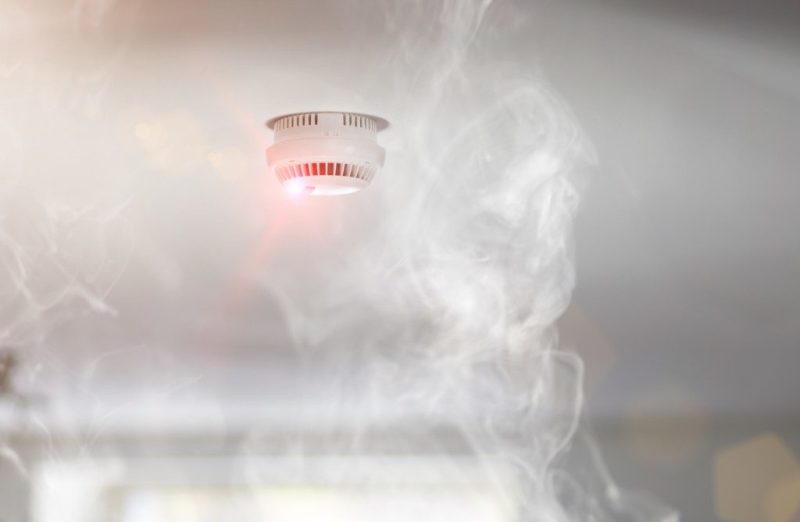

A Photoelectric smoke alarm contains a photo cell and a light beam that shines away from the cell. As soon as the smoke enters the test chamber, some of the light is dispersed by the smoke particles and strikes the cell, which triggers the alarm. They respond to a wide range of fires but are especially susceptible to smouldering fires and dense smoke emitted by foam-filled furnishings or burnt PVC wiring. A few advantages of photoelectric smoke alarms is that they are not as prone to cooking nuisance alarms and contain no radioactive materials.
Types of Photoelectric Alarms
Hardwired 240v
A hardwired smoke alarm is connected to the mains power and has a battery back-up. The battery back-up works if the power fails.
The battery back-up must work under normal operating conditions as follows:
- non-rechargeable batteries = 1 year
- rechargeable batteries = 72 hours (charged by mains power while in the alarm)
Note that hardwired smoke alarms must only be installed by a licenced electrical contractor in accordance with the Queensland Electricity Safety Act.
Battery Powered
When do I need to replace my alarm?
Smoke alarms have a limited lifespan of 10 years (under normal use conditions). They should be replaced before to the expiry date stated by the manufacturer.
For 10-year,non-removable, battery smoke alarms, the entire smoke alarm must be replaced after 10 years.
Specialty smoke alarms are also available, including those for deaf and hearing-impaired people.
Note that hardwired smoke alarms must only be installed by a licenced electrical contractor in accordance with the Queensland Electricity Safety Act.
How do I keep my smoke alarms working?
If cooking sets off the smoke alarm, do not disable it. Turn on the rangehood/exhaust fan, open a window or wave a handtowel near the smoke alarm until it stops beeping. Use the hush button if the smoke alarm has it. If issues persist, consider relocating the smoke alarm.
Every month check the smoke alarm by pressing the test button. If you cannot reach the button, use a long object such as a broom handle.
Replace the back-up battery on hardwired alarms:
- rechargeable batteries – refer to manufacturer specifications
- non-rechargeable – replace once every year.
Most alarms will emit a short ‘BEEP’ when the batteries are low. This is a reminder to replace the battery.
Smoke alarms must never be painted.
Regulations
Hardwired 240v
- be photoelectric and abide with Australian Standard 3786-2014
- be less than 10 years old
- operate when tested
- be interconnected with every other smoke alarm so that they all activate together.
Any existing smoke alarm being replaced from 1 January 2017 must be photoelectric and must comply with Australian Standard 3786-2014.
If the smoke alarm is hardwired it must be replaced with a hardwired photoelectric smoke alarm.
It is possible to have a combination of smoke alarms (mains powered, and battery operated) and so long as they can be interconnected.