Split Air Conditioning Systems

Split Air Conditioning Systems

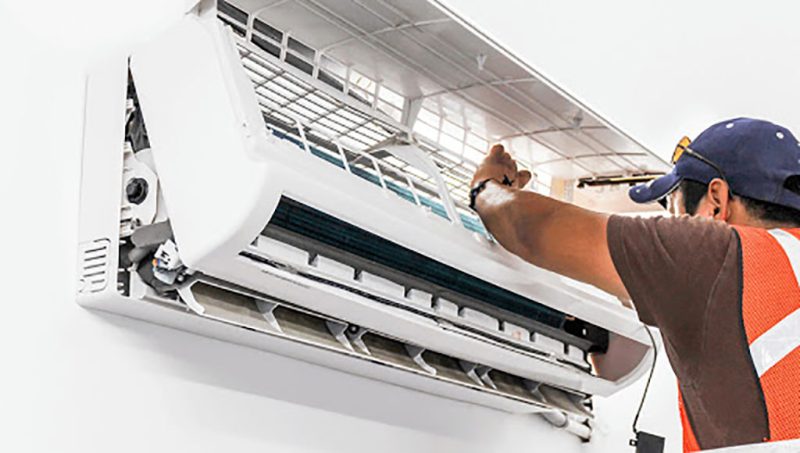
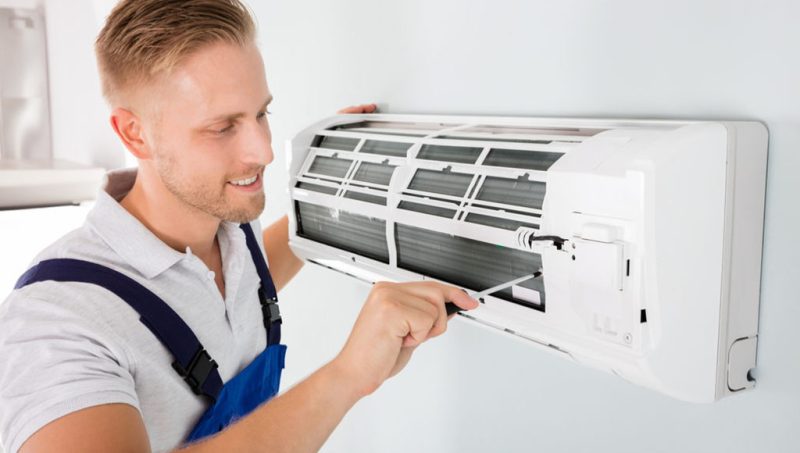
Queensland has very hot summer and thus almost every modern homes and new builds have Air Conditioning installed either the central ducted system or split system. The reverse cycle is popular due to their usage as it can be used for heating as well. The Air Conditioners also have inverters and they have variable motor speed to suit the condition therefore cheaper to run. The energy rating on the systems are marked and most of them have good rating usually four and above. More stars mean more energy efficient .
JD Electrical Australia can supply and install the Air Conditioners or can install the Air Conditioners supplied by the customer. The scope also includes removal of the old system and replacing with new.

References

Gelest.com. (No Date). “Photovoltaic Materials”. Retrieved from:
https://www.gelest.com/applications/photovoltaic-materials/

Erik Gregersen. (No Date). “Photoelectric effect”. Retrieved from:
https://www.britannica.com/science/photoelectric-effect

Gil Knier. (2008) “How do Photovoltaics Work?”. Retrieved from:
https://science.nasa.gov/science-news/science-at-nasa/2002/solarcells

Clean Energy Council. (2018). “How does solar work?”. Retrieved from:
https://www.cleanenergycouncil.org.au/consumers/buying-solar/how-does-solar-work

Queensland Government. (2018). “Solar Bonus Scheme 44c feed-in tariff”. Retrieved from:
https://www.qld.gov.au/housing/buying-owning-home/energy-water-home/solar/feed-in-tariffs/solar-bonus-scheme-44c

Clean Energy Council. (2011). “Consumer guide to buying household solar panels”. Retrieved from:
https://www.solarchoice.net.au/wp-content/uploads/Solar-Choice-Clean-Energy-Council-Solar-PV-Consumer-guide.pdf

Jeremy Moss, Alicia Coram, Grant Blashki. (2014). “Solar energy in Australia”. Retrieved from:
https://www.tai.org.au/sites/default/file/WEB%20Solar%20energy%20in%20Australia_1.pdf

Akella, A. K., R. P. Saini, et al. (2009). “Social, economical and environmental impacts of renewable energy systems.” Renewable Energy 34(2): 390-396.