
Thermal Imaging & Reporting
Electrical issues can be costly if it is not detected on time
What Is Thermal Imaging?
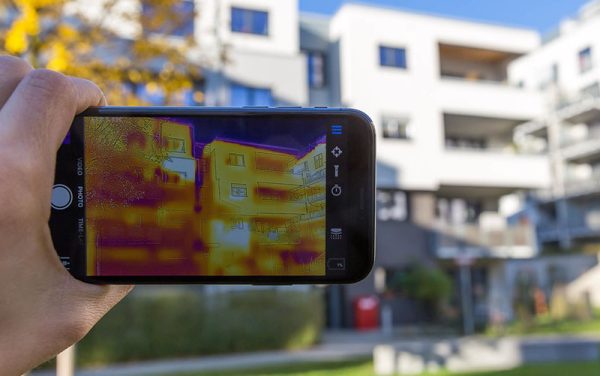
Thermal imaging is one of the latest technologies in the field of electrical. It helps to identify unseen electrical faults that otherwise would have been unnoticed. JD electrical is specialized and licensed to provide advanced thermal imaging and reporting services for both residential and commercial properties. This thermal imaging helps to detect faulty electrical work that can cause fire or lead to appliance breakdown or repairs that could cost a fortune.
Our team of licensed electrician use thermal imaging to scan-
- Switchboards
- Circuit breakers
- Distribution panels
- Electrical wiring systems
- Industrial machinery and control boards
- Overloaded circuits
- Loose or corroded connections
- Aging or faulty breakers and fuses
- Worn or deteriorating wiring
- Imbalanced electrical loads
Who Can Benefit from Thermal Imaging?
Thermal imaging is an efficient tool that can be used by both private property and commercial properties. It’s particularly beneficial for:
- Commercial property owners and facility managers
- Industrial site supervisors and maintenance teams
- Real estate investors and landlords
- Homeowners planning renovations or upgrades
- Body corporates and strata management
- Thermal image’s ability to recognise risk, safeguards your home and office.
Why should you choose thermal imaging?
Thermal imaging is not just a method of advanced inspection, it is also a safety solution.
Here is why you should choose thermal imaging-
Preventative maintenance- Identify faults before they escalate into dangerous or expensive problems
Cost efficiency- Reduce the risk of equipment failure, emergency repairs, and downtime
Enhanced safety & compliance- Minimize fire hazards and ensure adherence to insurance and regulatory standards
Professional reporting- Receive comprehensive reports with annotated thermal images and expert analysis for documentation, audits, or annual service plans. Our reports include audits, risk assessments and clear mapping of potential risks.